


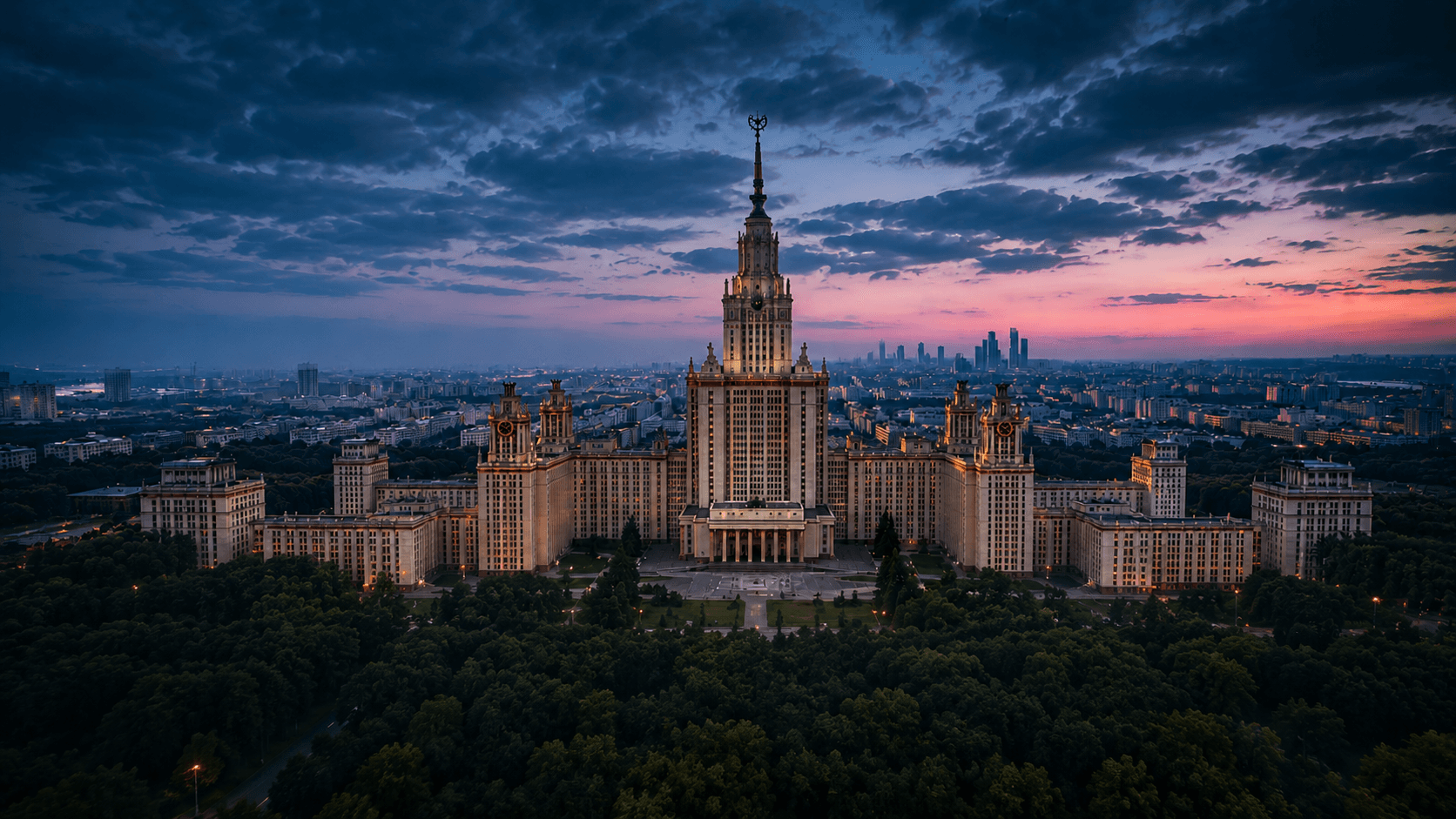
MBBS in Russia 2026-27
WDOMS-listed · English medium · FMGE route to practise in India · NBEMS records for 15 universities · Est. 6-year package from $14,700 (₹14 lakh approx)
MBBS in Russia 2026-27 - Top Colleges, Fees, Eligibility & Admission Guide for Indian Students
Indian students have studied medicine in Russia for decades. With English-medium programmes at the WDOMS-listed state universities we list, and estimated 6-year packages of $14,700–$44,300 (₹14–43 lakh approx) covering tuition, hostel and medical insurance (food, flights & personal expenses extra) - Russia offers a genuine, career-viable path to becoming a doctor without donation fees or lottery-style government seat cut-offs.
This guide covers everything an Indian student or parent needs to know: fee structure by university, NMC compliance rules, NEET eligibility, admission process, the Russian state attestation, FMGE preparation, student life, scholarships, and banking - all verified for 2026 by A.J Trust Educational Consultancy.
MBBS in Russia is a 6-year medical degree (5 years academic + 1 year compulsory internship) at state-run, WDOMS-listed universities. Indian students must hold a valid NEET qualifying scorecard and at least 50% PCB in Class 12. No IELTS or TOEFL is required. After graduating, students clear the Russian State Final Attestation to receive their MD-Physician degree, then pass India's FMGE licensing exam and complete a 12-month supervised internship in India to practise there. A.J Trust facilitates direct admission to WDOMS-listed Russian universities, with zero hidden fees; we track the FMGE records of 15 and profile 50 on this site.
Course Name
MBBS (MD Physician)
Duration
6 years (5 academic + 1 internship)
Est. 6-Yr Package
$14,700–$44,300
Annual Tuition
$2,240–$20,660/yr
Min. Eligibility
50% PCB; 40% reserved
Living Expenses
₹11,500–₹17,200/month
NEET Required
Yes - mandatory
Teaching Medium
English (FMGL-2021 requires it)
September Intake
Apply by August
Min. Age
Must be 17+ years old
Recognition
WDOMS-listed; FMGL-2021 conditions checked per programme
Exams
State Final Attestation (Russia) → FMGE → 12-month internship (India)
NMC rule (FMGL-2021): the whole MBBS course, including the 12-month internship, must be completed at the same foreign university, in English. That internship cannot be done in India instead; the separate 12-month internship in India comes later, after FMGE. Always check your chosen programme against these conditions before applying.
Quick Facts About Russia
Planning to study MBBS in Russia? Here are key facts about Russia that every Indian student and parent should know before applying.
| Capital | Moscow |
| Official Language | Russian |
| Currency | Russian Ruble (RUB) |
| Exchange Rate (approx.) | 1 RUB ≈ ₹1.14 | 1 USD ≈ ₹97 |
| Population (2025 estimate) | About 14.36 crore (143,569,049, excluding Crimea) |
| Time Difference from India (IST) | Moscow (UTC+3) is 2 hours 30 minutes behind IST. Russia's time zones run from UTC+2 to UTC+12, so the gap ranges from 3 hours 30 minutes behind to 6 hours 30 minutes ahead, depending on the city |
| Total Land Area | ~17.1 million km² - the world's largest country |
| Climate | Varies widely by city: Siberian winters are far colder than those in southern cities such as Stavropol |
| Medical Universities | We profile 50 Russian universities and track the NBEMS FMGE records of 15. Check any university's listing on WDOMS. |
| Indian Students in Russia | About 20,000 across all courses; medical students are the largest group (MEA India–Russia brief, 19 June 2026) |
| MBBS Primary Intake | September every year |
| Source | Wikipedia - RussiaWikipedia - Time in RussiaMEA India–Russia briefNMC - For Students to Study AbroadMinistry of Science and Higher Education of Russia |
Why Choose Russia for MBBS in 2026?
Indian students choose Russia for MBBS for very specific reasons. Here's what actually makes Russia different from other MBBS abroad destinations.
Far Cheaper Than Indian Private Colleges
Estimated 6-year packages of ₹14–43 lakh (tuition + hostel + insurance) at the universities we list outside the premium tier (Sechenov, Pirogov, RUDN, Pavlov and Kazan), vs ₹60 lakh–₹1.5 crore for the full course at a private Indian medical college (indicative — the binding figure is the fee notified by each state Fee Regulatory Committee). No donation. No capitation fee.
WDOMS-Listed, Checked Against FMGL-2021
NMC does not publish an approved list of foreign universities — FMGL-2021 sets conditions on the degree instead (54 months of study, a 12-month internship at the same institution, English medium, a licence to practise there). We check each condition in writing for your programme.
English-Medium Programmes
FMGL-2021 requires the whole course to be taught in English, and the universities we list run English-medium tracks. Russian is taught alongside for patient interaction. Get the medium of instruction in writing, because some Russian universities run bilingual tracks.
Clinical Training from Year 3
Clinical subjects begin in Year 3 in university-affiliated teaching hospitals. Ask each university how much bedside time its English-medium students get.
Simple Admission - No Entrance Exam
NEET score + 50% PCB in Class 12 is sufficient. No IELTS, no TOEFL, no separate entrance test required.
Indian Mess & Student Community
About 20,000 Indian students are in Russian institutes, with medical students the largest group (MEA). Indian food mess available at many universities, and Indian student associations on many campuses.
MBBS in Russia vs Indian Private College
| Factor | Russia MBBS | Indian Private MBBS |
|---|---|---|
| Total 6-year cost (est.) | ₹14–43 lakh | ₹60 lakh–₹1.5 crore |
| Admission requirement | NEET + 50% PCB | NEET + high cut-off |
| Recognition | WDOMS listing; the degree must meet FMGL-2021 | Yes |
| Medium of teaching | English (FMGL-2021 requires it) | English |
| Clinical exposure | University-affiliated teaching hospitals | Varies by college |
| Licensing exam after graduation | FMGE, then a 12-month internship in India | Direct registration |
| IELTS / TOEFL required | No | No |
MBBS in Russia Fees 2026-27 - Complete Breakdown
As of Sun, 11 Oct 2026, the estimated 6-year MBBS package in Russia (tuition + hostel + medical insurance) ranges from $14,700 to $44,300 (approx ₹14–43 lakh) at the WDOMS-listed universities we list outside the premium tier. Premium-tier institutes (Sechenov, Pirogov and RUDN in Moscow, Pavlov in St. Petersburg, and Kazan State Medical University) range from $49,100 to $124,200. Exact fees vary by university and exchange rate — confirm current figures with A.J Trust.
| University | Tuition ($/yr) | Hostel ($/yr) | Est. 6-Yr Package (USD) | Tier |
|---|---|---|---|---|
| Kalmyk State University | $2,240–2,420 | Included | $14,700 | Budget |
| Kadyrov Chechen State University | $2,940 | $240 | $20,200 | Budget |
| Ingush State University | $3,180 | $290 | $22,000 | Budget |
| Obninsk Institute for Nuclear Power Engineering (OINPE) | $3,290 | $290 | $22,700 | Budget |
| MEPhI National Research Nuclear University | $3,530 | $290 | $24,100 | Budget |
| Astrakhan State Medical University | $3,650 | $350 | $25,100 | Budget |
| Kabardino-Balkarian State University | $3,670 | $350 | $25,300 | Budget |
| Samara State Medical University | $3,760 | $290 | $25,500 | Budget |
| Immanuel Kant Baltic Federal University | $3,720 | $350 | $25,600 | Budget |
| Ivanovo State Medical University | $3,760 | $350 | $25,800 | Budget |
| Tula State University | $3,760 | $350 | $25,800 | Budget |
| Ulyanovsk State University | $3,760 | $410 | $26,200 | Budget |
| North Caucasian State Medical Academy | $4,240 | Included | $26,600 | Budget |
| Pskov State University | $4,000 | $350 | $27,300 | Mid |
| North Ossetian State University | $4,240 | $290 | $28,300 | Mid |
| Orenburg State Medical University | $2,740–4,970 | $800 | $28,900 | Mid |
| Crimea Federal University (Medical Academy) Verify current international recognition status — ask our counselors. | $4,120 | $530 | $29,000 | Mid |
| Altai State Medical University | $4,200 | $530 | $29,500 | Mid |
| Stavropol State Medical University | $5,000 | Included | $31,100 | Mid |
| Perm State Medical University | $4,590 | $540 | $31,900 | Mid |
| Rostov State Medical University | $5,000 | $400 | $33,500 | Mid |
| Saratov State Medical University | $4,500–5,000 | $950 | $34,300 | Mid |
| Voronezh State Medical University | $5,000 | $600 | $34,700 | Mid |
| Mari State University | $5,000 | $750 | $35,600 | Mid |
| Tver State Medical University | $5,000 | $1,000 | $37,100 | Mid |
| North-Western State Medical University (Mechnikov) | $5,770 | $420 | $38,300 | Mid |
| Bashkir State Medical University | $5,770 | $470 | $38,600 | Mid |
| Privolzhsky Research Medical University | $5,410 | $940 | $39,300 | Mid |
| Moscow Region State University | $5,470 | $1,060 | $40,300 | Mid |
| Kuban State Medical University | $5,670 | $940 | $40,800 | Mid |
| Volgograd State Medical University | $5,940 | $940 | $42,400 | Mid |
| Kursk State Medical University | $7,200 | Included | $44,300 | Mid |
| Premium — Moscow & St. Petersburg Institutes | ||||
| Kazan State Medical University | $7,060 | $940 | $49,100 | Premium |
| Pavlov First Saint Petersburg State Medical University | $9,500 | $1,500 | $67,100 | Premium |
| RUDN University (Peoples' Friendship University) | $12,000 | $1,250 | $80,600 | Premium |
| Pirogov Russian National Research Medical University | $11,530 | $2,120 | $83,000 | Premium |
| I.M. Sechenov First Moscow State Medical University | $14,710–20,660 | $2,120 | $124,200 | Premium |
Estimates at exchange rates as of Sun, 11 Oct 2026. Figures cover tuition + hostel + medical insurance for the full 6-year course.
These are indicative estimates. For exact current fees of any university, Contact us on WhatsApp.
Monthly Cost of Living in Russia
| Expense | Monthly (INR) | Annual (INR) |
|---|---|---|
| Food (hostel mess / self-cooking) | ₹8,000–₹12,000 | ₹96,000–₹1.44L |
| Local transport (metro/bus) | ₹800–₹1,200 | ₹9,600–₹14,400 |
| Mobile & internet | ₹700–₹1,000 | ₹8,400–₹12,000 |
| Personal & miscellaneous | ₹2,000–₹3,000 | ₹24,000–₹36,000 |
| Total (estimated) | ₹11,500–₹17,200 | ₹1.38L–₹2.06L |
One-Time Charges (Payable Once, on Admission/Arrival)
| Charge | Amount (USD) | Notes |
|---|---|---|
| Arrival & settling-in charges | $340 | Most university cities |
| Arrival & settling-in charges (metro cities) | $500 | Moscow, Volgograd, Kazan, Saratov |
| International department / admission processing | $750 | One-time, at admission |
One-time charges are not part of the university fee tables above. Medical insurance ($190/year) is already included in every fee estimate on this site.
⚠ What These Figures Cover: The university fee estimates above cover tuition, hostel, and medical insurance for the full 6-year course. Flights, food, visa renewals, one-time arrival charges, FMGE coaching, and winter clothing are not included. Beware of agents who present partial quotes as the full cost of studying abroad. A.J Trust provides a written, itemised cost breakdown covering every expense before you pay any fees.
MBBS Colleges in Russia for Indian Students - WDOMS-listed 2026
We profile 50 Russian universities on this site and track the NBEMS FMGE records of 15. We shortlist them on three things you can check: the FMGE record, with denominators; an English-medium course that meets FMGL-2021; and on-campus support for Indian students. A.J Trust works directly with the universities listed below.
How to read these cards — and what “WDOMS-listed” really means
NMC publishes no approved list of foreign universities — it says so itself. So no site, including this one, can honestly tell you a Russian university is “NMC approved”. What decides your future registration is whether your degree is NMC-compliant under FMGL-2021: 54 months of study, a 12-month internship at the same institution, English medium, and a qualification that licenses you to practise in that country. After you clear FMGE, FMGL-2021 also requires a further 12-month supervised internship in India.
So we show you the three things that are checkable per university — its World Directory listing, its actual NBEMS FMGE record with denominators, and any NMC alert naming it. Check your shortlist against the FMGL-2021 criteria above, and read NMC’s page for students going abroad, before you pay a single rupee. We explain the whole thing, with every NMC notice that names a foreign university, in is my university WDOMS-listed?
I.M. Sechenov First Moscow State Medical University
Moscow, Russia
WDOMS-listed English-medium MBBS in Moscow at Sechenov University, which dates its history to 1758, as the Faculty of Medicine at Imperial Moscow University. Its Indian cohort is small (54 FMGE candidates in 2024).
Stavropol State Medical University
Stavropol, Russia
WDOMS-listed English-medium MBBS at Stavropol State Medical University, founded in 1938 with a large Indian student community.
Peoples' Friendship University of Russia (RUDN)
Moscow, Russia
WDOMS-listed English-medium MBBS at RUDN (Peoples' Friendship University of Russia) in Moscow.
Kazan State Medical University
Kazan, Russia
Kazan State Medical University, founded in 1814, offers WDOMS-listed English-medium MBBS with a large Indian student community in Kazan.
Perm State Medical University
Perm, Russia
Perm State Medical University, established in 1916, delivers WDOMS-listed English-medium MBBS to many Indian students in Perm.
Kursk State Medical University
Kursk, Russia
Kursk State Medical University is WDOMS-listed, but it is in Kursk Oblast, a region the Indian Embassy's 14 August 2024 advisory asked Indians to relocate from, so we do not currently suggest it.
Tver State Medical University
Tver, Russia
Tver State Medical University offers WDOMS-listed, English-medium MBBS between Moscow and St. Petersburg. Founded 1936, with many Indian students.
Siberian State Medical University
Tomsk, Russia
Siberian State Medical University (SibMed) in Tomsk offers WDOMS-listed, English-medium MBBS. Founded 1888, with a growing Indian student community.
Volgograd State Medical University
Volgograd, Russia
Volgograd State Medical University, founded in 1935, offers WDOMS-listed, English-medium MBBS, with a large international and Indian student community.
Bashkir State Medical University
Ufa, Russia
Founded 1932 in Ufa, Bashkir State Medical University offers WDOMS-listed English-medium MBBS with a large Indian student community.
Orenburg State Medical University
Orenburg, Russia
Established in 1944, Orenburg State Medical University offers WDOMS-listed English-medium MBBS and hosts a large Indian student community.
North Caucasian State Academy
Cherkessk, Russia
Founded 1991 in Cherkessk, the North Caucasus State Academy (Medical Institute established 2004) delivers WDOMS-listed English-medium MBBS to a growing Indian community.
Kalmyk State University
Elista, Russia
Kalmyk State University, founded in 1970 in Elista, offers WDOMS-listed English-medium MBBS with affordable fees for Indian students.
Omsk State Medical University
Omsk, Russia
Omsk State Medical University, established in 1920, offers WDOMS-listed English-medium MBBS in Siberia with low fees for Indian students.
Pskov State University
Pskov, Russia
Pskov State University, in historic north-west Russia, offers WDOMS-listed English-medium MBBS at affordable fees for Indian students.
Which is the Best University in Russia for MBBS?
The best university in Russia for MBBS depends on your budget, FMGE target, and preferred city. On NBEMS's official 2024 institute-wise data, among the Russian universities we track with at least 100 candidates, the highest rate belongs to Orenburg State Medical University at 43.4% (194 of 447 candidates), followed by Mari State University (292 of 930, 31.4%), Perm State Medical University (295 of 944, 31.3%), Bashkir State Medical University (105 of 340, 30.9%) and Kazan State Medical University (134 of 436, 30.7%) — all above the all-India FMGE average of 25.8% (20,382 of 79,000). Moscow's I.M. Sechenov First Moscow State Medical University has a premium estimated 6-year package of ~₹1.20Cr, but its Indian cohort is small (54 candidates in 2024), so its rate is not directly comparable with the large-cohort universities above.
For budget-conscious students, Stavropol State Medical University has an estimated ~₹30.1L package (tuition + hostel + insurance) and a large Indian student community (719 FMGE candidates in NBEMS's 2024 report). Be aware its FMGE record is below the all-India average (132 of 719, 18.4% in 2024, per NBEMS) — which is why our students there get AJMA FMGE coaching from Year 1. Budget-tier universities complete the full 6-year program from around ₹14 lakh for the most cost-sensitive families. A.J Trust counsellors match you to the right university based on your NEET score, budget, and career goals.
Not sure which university fits your NEET score & budget?
Our counsellors analyse your NEET score, budget, and career goals to shortlist the right WDOMS-listed university - at no charge.
Eligibility Criteria for MBBS in Russia 2026
Academic Eligibility
Class 12 (10+2) with Physics, Chemistry, Biology (PCB) - minimum 50% aggregate in PCB (40% for SC/ST/OBC as per NMC norms)
Valid NEET qualifying scorecard - mandatory as per NMC guidelines (qualifying is by percentile: 50th for General/EWS, 40th for SC/ST/OBC; the marks it works out to change every year)
No IELTS, TOEFL, or any other English proficiency test required
Minimum age: 17 years on or before 31 December of the admission year
No upper age limit imposed by Russian universities (NMC has removed the 25-year cap)
No separate university entrance examination - NEET + 50% PCB is sufficient
Students with Biology as an additional/optional subject in Class 12 are also eligible as per NMC guidelines
Required Documents
Class 10 (SSC) marksheet and passing certificate
Class 12 (HSC) marksheet and passing certificate
NEET qualifying scorecard (original or certified printout)
Valid Indian passport (minimum 18 months validity from date of admission)
10 recent passport-size photographs (white background)
HIV test report (NBE format) - required for Russian student visa
Medical fitness certificate from a registered physician
Birth certificate
Bank statement (financial proof)
Police clearance certificate (required by some universities)
MBBS Russia Admission Process 2026-27 - Step by Step
The admission process for MBBS in Russia has no separate entrance exam and no IELTS or TOEFL, and seats are usually available until August for the September intake. A.J Trust handles every step - from university shortlisting to on-arrival support.
Free Counselling
Discuss your NEET score, budget, and city preference with our expert counsellors in Chennai, Madurai, or Delhi.
University Shortlisting
We match you to WDOMS-listed universities based on your FMGE track record, fees, and English-medium availability.
Document Preparation
Class 10 & 12 certificates, NEET scorecard, passport, photos, HIV test, medical certificate, bank statement.
Application & Invitation Letter
We submit your application directly to the university. Upon approval, you receive an official invitation letter within 2–4 weeks.
Visa Processing
Apply for a Russian student visa using the invitation letter. Processing takes 3–4 weeks. We assist with all documentation.
Departure & On-Arrival Support
We arrange hostel, airport pickup, and Indian mess registration. Your journey to becoming a doctor begins.
Admission Timeline - September 2026 Intake
| Timeline | Activity |
|---|---|
| May – June 2026 | NEET exam (May) and result (usually June; NTA sets the date) → start university shortlisting & counselling |
| May – June 2026 | Document preparation & application submission |
| June – July 2026 | Invitation letter received from university |
| July – August 2026 | Russian student visa application & processing (3–4 weeks) |
| August 2026 | Fee payment, flight booking, hostel confirmation |
| September 2026 | Arrival in Russia, registration, orientation |
| October 2026 | Classes begin |
Planning for the 2027 intake?
The September 2027 cycle follows the same timeline one year later - NEET 2027 in May with the result usually in June, applications by June–July, and visa processing by August 2027. Class 12 students appearing for NEET 2027 can begin university shortlisting and document preparation early to secure seats at the most competitive universities. Start early counselling for the 2027-28 session.
MBBS Syllabus in Russia 2026 - Year-Wise Breakdown
The MBBS course in Russia follows a 6-year curriculum structured across two phases - Basic Sciences (Years 1–3) and Clinical Sciences (Years 4–6), including a mandatory 1-year internship. The course is taught in English on the English-medium track. Not every WDOMS-listed Russian university runs one, so confirm the track in writing.
Basic Sciences - Foundation
- Human Anatomy
- Biochemistry
- Histology & Embryology
- Medical Biology & Genetics
- Russian Language (compulsory)
- Physical Education
Pre-Clinical Sciences
- Human Physiology
- Microbiology & Virology
- Pharmacology (General)
- Biochemistry (Advanced)
- Bioorganic Chemistry
- Russian Language (continued)
Clinical Basics & Pathology
- Pathological Anatomy
- Pathophysiology
- Clinical Pharmacology
- Propaedeutics of Internal Diseases
- Microbiology (Applied)
- Epidemiology
Core Clinical Sciences I
- Internal Medicine
- General Surgery
- Obstetrics & Gynaecology
- Paediatrics
- Neurology
- Medical Ethics
Core Clinical Sciences II
- Psychiatry & Narcology
- ENT (Otorhinolaryngology)
- Ophthalmology
- Dermatology & Venereology
- Oncology
- Emergency Medicine & Trauma
Internship (Rotational Clinical Training)
- Internal Medicine Rotation
- Surgery Rotation
- Paediatrics Rotation
- Obstetrics & Gynaecology Rotation
- Emergency & Critical Care
- State Final Attestation (GIA) Preparation
MBBS Syllabus - Russia vs India
| Aspect | MBBS in Russia | MBBS in India |
|---|---|---|
| Course Duration | 6 years (5 academic + 1 internship) | 5.5 years (4.5 academic + 1 internship) |
| Medium of Teaching | English (FMGL-2021 requires it) | English |
| Clinical Hospital Exposure | University-affiliated teaching hospitals | Varies by college |
| PG Options After MBBS | PG in Russia or NEET-PG for India | NEET-PG for MD/MS in India |
NMC Compliance: FMGL-2021 checks the course, not the university: at least 54 months of study followed by a 12-month internship at the same university, all in English. A degree that meets these conditions, and licenses you to practise in Russia, lets you sit FMGE.
Student Life in Russia - Safety, Indian Food & Everyday Comforts
The infrastructure for Indian students in Russia is well established. Here's what daily life looks like.
Hostel Accommodation
University hostels provide furnished rooms (2–3 sharing), Wi-Fi, 24-hour security, central heating, and laundry facilities. Separate, secure hostels for boys and girls at all A.J Trust partner universities.
Indian Mess - Dal, Rice, Roti Daily
A.J Trust partner universities including Stavropol have dedicated on-campus Indian mess running daily. Dal, sabzi, rice, roti, and regional dishes. Indian groceries available in nearby markets.
Climate & Clothing
Southern cities such as Stavropol have milder winters than most of Russia. Siberian cities such as Novosibirsk are much colder. Budget ₹25,000–₹50,000 for quality winter clothing before departure.
Safety on Campus
University campuses have 24/7 security. Stavropol, Kazan and Orenburg have established Indian student communities. For the current security situation, including the drone strikes of 2026, see the safety questions in the FAQ on this page and the Indian Embassy in Moscow's advisories.
Transport
Metro, bus, and tram networks cover most university cities. Monthly transport pass costs ₹800–₹1,200. Yandex Go (like Uber) available for affordable taxis across Russia.
Russian Language
Russian language is a compulsory subject in Year 1. Basic conversational Russian helps during clinical rotations with patients. Most university faculty in A.J Trust partner universities communicate in English.
Is Russia Safe for Indian Girls? - Safety & Comforts for Female Students
Parents frequently ask about safety for Indian female students in Russia. Here is the honest, detailed answer.
Separate Female Hostels
Our partner universities provide separate hostels for female students. Ask each university, in writing, about entry control, security staff and visitor rules before you choose.
Indian Women's Community on Campus
Universities like Stavropol have large Indian cohorts (719 FMGE candidates came from Stavropol in NBEMS's 2024 report), so there is a network of Indian female seniors who guide new students on everything - from hostel life to navigating the city - from Day 1.
A.J Trust Local Coordinator - 24/7
A.J Trust has a dedicated local coordinator in Russia reachable at any hour. For any issue - medical, administrative, safety, or personal - students and parents can call our coordinator directly. No waiting.
Indian Cultural Life - Diwali, Holi, Eid on Campus
Indian Students' Associations at our partner universities celebrate Diwali, Holi, Eid, and Indian Independence Day with events, food, and activities. The cultural comfort of home is never far away.
Indian Grocery & Familiar Food Year-Round
Masalas, rice brands, dal varieties, and Indian snacks are available in local markets near our partner universities. The Indian mess serves familiar home-cooked style food so female students don't have to cook.
University Hospital - Medical Coverage Included
All Russian university hostels mandate medical insurance (about ₹18,500/year, already counted in the package figures above). University-affiliated hospitals provide medical care for students. No out-of-pocket emergencies for covered conditions.
Many Indian girls study MBBS in Russia. A large Indian student community, established Indian messes, separate female hostels and A.J Trust's on-ground support are already in place. Concerns about safety are valid. Ask the university about its hostel security and emergency procedures, and read our answer on the Russia-Ukraine war risk before you choose a city.
NMC Guidelines for MBBS in Russia - What You Must Know
The National Medical Commission (NMC) issued revised guidelines in 2021 for Indian students pursuing MBBS abroad. A degree that fails any of them cannot be registered in India. Here are the 4 conditions every student must verify for their programme before choosing a Russian university.
Minimum Course Duration: 54 Months
The MBBS academic program must span at least 54 months (4.5 years) of study, and the 12-month internship does not count toward it. A degree with less study than this fails FMGL-2021, and its holder cannot register in India.
12-Month Internship at the Same University
The mandatory 12-month internship must be completed at the same Russian university's affiliated hospital. It cannot be replaced by an internship in India; the separate 12-month supervised internship in India comes after FMGE.
Full English-Medium Instruction
The entire MBBS program must be taught in English. Bilingual (English + Russian) programs where the last 2–3 years are in Russian only do not meet FMGL-2021.
Degree Must License You to Practise in Russia
Your degree must entitle you to practise medicine in Russia on the same terms as a Russian citizen — this is an FMGL-2021 condition on the qualification itself, verified from the university before you apply.
Note: NMC approves no foreign university, so there is no “NMC status” anyone can confirm. Before you pay, we give you in writing, for your university and programme: its WDOMS listing and FAIMER School ID, the study and internship split from the admission letter, the medium of instruction, and whether the degree licenses you to practise in Russia. The last three are FMGL-2021's conditions on the degree.
FMGE / NExT After MBBS in Russia - Complete Guide
After completing MBBS in Russia, Indian students must clear the FMGE (Foreign Medical Graduate Examination), which NBEMS now holds three times a year, and then complete a 12-month supervised internship in India before they can register and practise. NMC's draft amendment of 11 August 2026 keeps FMGE as the route until its successor, NExT (National Exit Test), comes into force; no NExT date has been notified. This applies whichever Russian university you graduated from.
| University | FMGE 2024 (passed / appeared) | Note |
|---|---|---|
| Orenburg State Medical University | 43.4% (194 / 447) | Highest 2024 rate among the Russian universities we track with 100+ candidates |
| Mari State University | 31.4% (292 / 930) | Above the all-India average |
| Perm State Medical University | 31.3% (295 / 944) | Above the all-India average |
| Bashkir State Medical University | 30.9% (105 / 340) | Above the all-India average |
| Kazan State Medical University | 30.7% (134 / 436) | Above the all-India average |
| Tver State Medical University | 24.4% (118 / 484) | Just below the all-India average |
| Kursk State Medical University | 22.3% (109 / 489) | Below the all-India average |
| I.M. Sechenov University | 22.2% (12 / 54) | Small Indian cohort — treat the rate with caution |
| North Caucasus State Academy | 21.2% (33 / 156) | Below the all-India average |
| Volgograd State Medical University | 19.3% (113 / 586) | Below the all-India average |
| Stavropol State Medical University | 18.4% (132 / 719) | Below the all-India average — this is why we place our students on AJMA FMGE coaching from Year 1 |
| All-India FMGE average (all countries) | 25.8% (20,382 / 79,000) | The benchmark every row above is measured against |
Source: NBEMS institute-wise FMGE performance reports (2024 report; NBEMS publishes datasets from 2012 onward). These are official figures for candidates from each university, not estimates. Pass rates move considerably from session to session, and a university's rate reflects its whole cohort — not what any individual student will score. Always check the latest report before making a decision. The table-topper gets a full year-by-year breakdown in the Orenburg FMGE deep-dive, and the fee side of the same universities is documented from their own signed orders in the fee-orders guide.
Our honest take: half of the ten Russian universities we track with at least 100 candidates sat below the all-India FMGE average in 2024, even though Russia as a whole passed 3,331 of 11,276 candidates (29.54%, NBEMS 2024). We would rather show you the real numbers than a flattering estimate you can disprove in ten minutes on the NBEMS site. Starting FMGE preparation early is the part of the result a student controls — which is why students who join us get AJ Medical Academy FMGE coaching from Year 1 at no extra cost, alongside their degree.
Career Pathways After MBBS in Russia - What Can You Do?
An MBBS degree from a WDOMS-listed Russian university opens doors in India and across the world. Here are the six main career pathways available to Russia MBBS graduates.
Practice in India
Pass the FMGE (NBEMS now holds it three times a year; NMC's draft amendment of 11 August 2026 keeps it as the route until NExT comes into force, and no NExT date has been notified), complete the 12-month supervised internship in India, register with the State Medical Council, and work as a licensed physician in India. General practice, hospital employment, or private clinic.
MD / MS Specialisation in India
Appear for NEET-PG after clearing FMGE and completing the 12-month internship in India. From there you compete for MD/MS seats in government and private medical colleges like any Indian graduate.
United States (USA)
Clear USMLE Steps 1, 2 CK, and 3 → apply for Residency Match via ERAS/NRMP → licensed physician in the US. ECFMG eligibility depends on the sponsor note on your university's WDOMS record, so check it first.
United Kingdom (UK)
Clear PLAB Part 1 (MCQ) and Part 2 (OSCE) → GMC Registration → Foundation Training in the NHS. A structured career pathway with international exposure.
Middle East (UAE, Saudi, Qatar)
Gulf countries have active licensing pathways for foreign-qualified doctors, each run by its own health authority. Tax-free salaries.
Australia & Canada
Australia (AMC Computer Adaptive Test) and Canada (MCCQE Part I & II) have structured pathways for foreign medical graduates.
The most important step: Choose a WDOMS-listed university whose course meets the FMGL-2021 conditions, and clear the Russian State Final Attestation. Everything after that is a fixed sequence you can plan for: FMGE, the 12-month internship in India, then NEET-PG at home, or USMLE and PLAB abroad. A.J Trust counsellors help you plan your post-graduation roadmap from Day 1 of your MBBS journey.
Scholarships for MBBS in Russia for Indian Students - 2026-27 Selection
Yes. The Government of the Russian Federation offers scholarships to Indian students every year, and medicine is among the courses covered, according to the University Grants Commission's public notice of 4 November 2025 for the 2026-27 academic year. Here is how that selection worked, and what to check before you apply.
Russian Government Scholarship (2026-27 selection)
Not stated. The UGC notice does not give the number of places offered to Indian students.
A Russian Government scholarship place at almost any Russian university, except Lomonosov Moscow State University and MGIMO. The notice does not set out stipend or hostel terms, so confirm them with the university that accepts you.
For 2026-27, the first stage (document check) closed on 15 January 2026. The second stage, placement at a university and the visa, is run by Russia's Ministry of Science and Higher Education.
Apply only through education-in-russia.com; the notice says no other route is accepted. Choose up to 6 universities in priority order. There is no test: the dossier is assessed on your average grade and a portfolio (publications, a recommendation letter signed by the rector or vice-rector of the Russian university you choose, competition or olympiad certificates). Dates change each year, so check education-in-russia.com for the current selection's deadline.
University Merit Discounts
Set by each university; there is no common published scheme.
Where a university offers one, a tuition reduction for strong academic results. The size and the conditions are the university's own.
Set by each university.
Ask the university's international office for its policy in writing before you count on a discount.
Reality check: The Russian Government Scholarship is selective, and the 2026-27 notice does not say how many places go to Indian students. Most Indian students fund their MBBS through family savings or education loans (see the education-loan answer in the FAQs below). A.J Trust can help you prepare the scholarship dossier. If you want to keep the route to practise in India, apply only for an English-medium General Medicine programme: a course taught in Russian fails FMGL-2021's English-medium condition.
Why Stavropol State Medical University is A.J Trust's Flagship Recommendation
A.J Trust facilitates admissions to WDOMS-listed Russian medical universities. Our Director is the President of the All India Foreign Medical Graduates Association (AIFMGA), and our university authorisation letters are on our credentials page. For many Indian students, Stavropol State Medical University is the university we recommend most often - here's why, and where it is weaker.
FMGE Coaching from Year 1
Stavropol's 2024 FMGE record was 132 of 719 candidates (18.4%, NBEMS 2024), below the all-India 25.8%. That is its weak point, and it is why students who join through A.J Trust get AJ Medical Academy FMGE coaching from Year 1 at no extra cost.
Mild Climate by Russian Standards
Stavropol sits in southern Russia, in the North Caucasus region, and its winters are much milder than those of Siberian cities such as Tomsk and Omsk.
Indian Mess on Campus - Daily
Dedicated Indian food mess serving dal, rice, roti, sabzi and regional dishes every day. Indian grocery items available in local markets. No food adjustment period for new students.
A Large Indian Cohort - Established Community
719 FMGE candidates came from Stavropol in NBEMS's 2024 report. Active Indian Students' Association with Diwali, Holi, Eid and cricket events. Senior students mentor juniors. A.J Trust's local coordinator in Stavropol is reachable 24/7.
Clinical Training from Year 3
Clinical subjects begin in Year 3 at the university's affiliated teaching hospitals in Stavropol. Ask which hospitals English-medium students rotate through and how much bedside time they get.
WDOMS-listed
Listed in the World Directory of Medical Schools (WDOMS). Graduates whose degree meets FMGL-2021 can sit FMGE in India. For USMLE, ECFMG eligibility depends on the sponsor note on the school's WDOMS record, and the GMC (PLAB) and Gulf licensing bodies run their own checks, so confirm the one you need.
A.J Trust places students at WDOMS-listed Russian universities and matches each student to the right one based on NEET score, budget and career goals. If you want warm weather by Russian standards, Indian food, an established Indian community and FMGE coaching built in, Stavropol is the university we recommend most often.
Popular Countries to Study MBBS Abroad
Explore MBBS destinations and their WDOMS-listed universities - compare fees, duration, and eligibility.
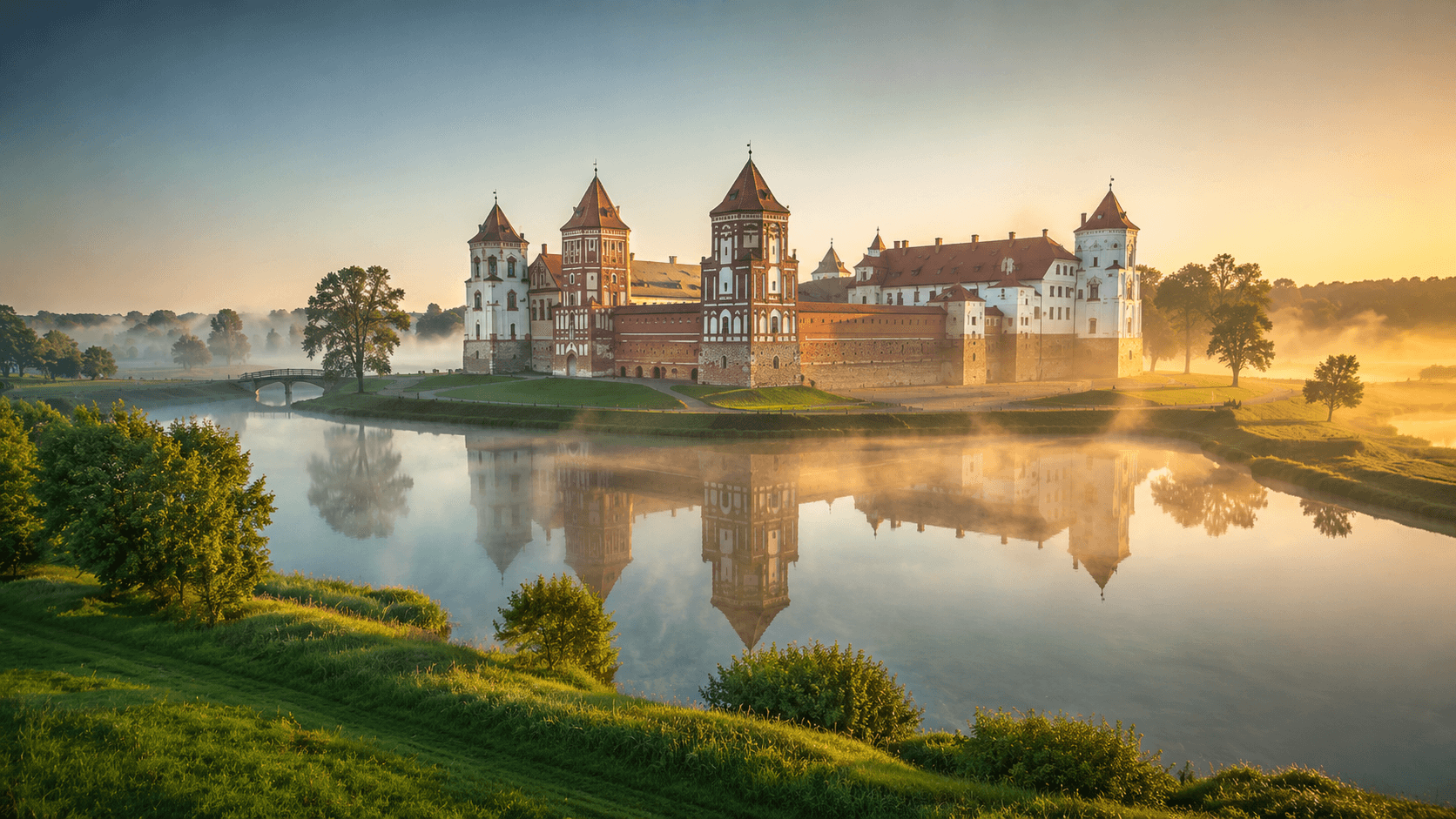
MBBS Abroad
Belarus
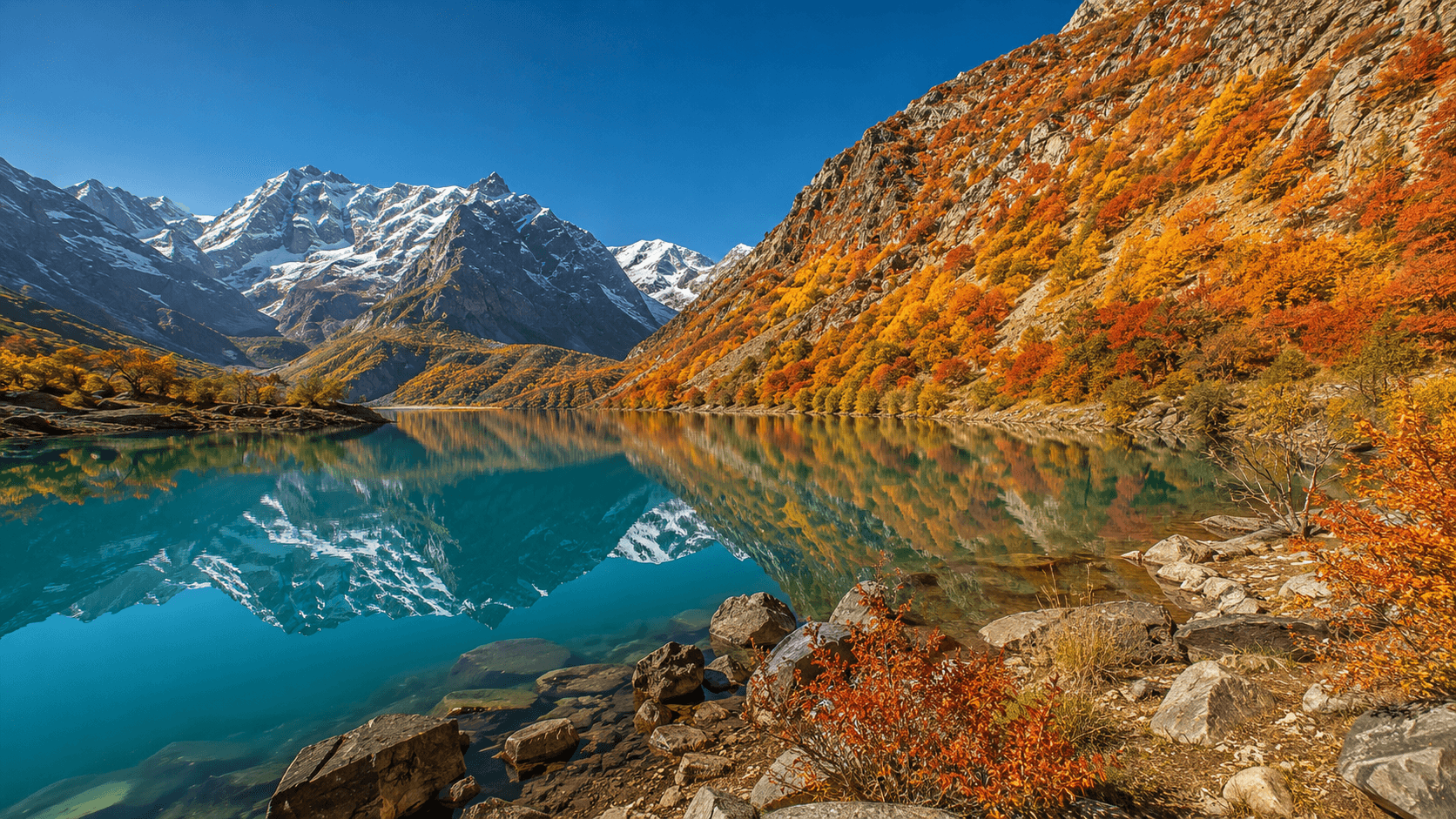
MBBS Abroad
Tajikistan
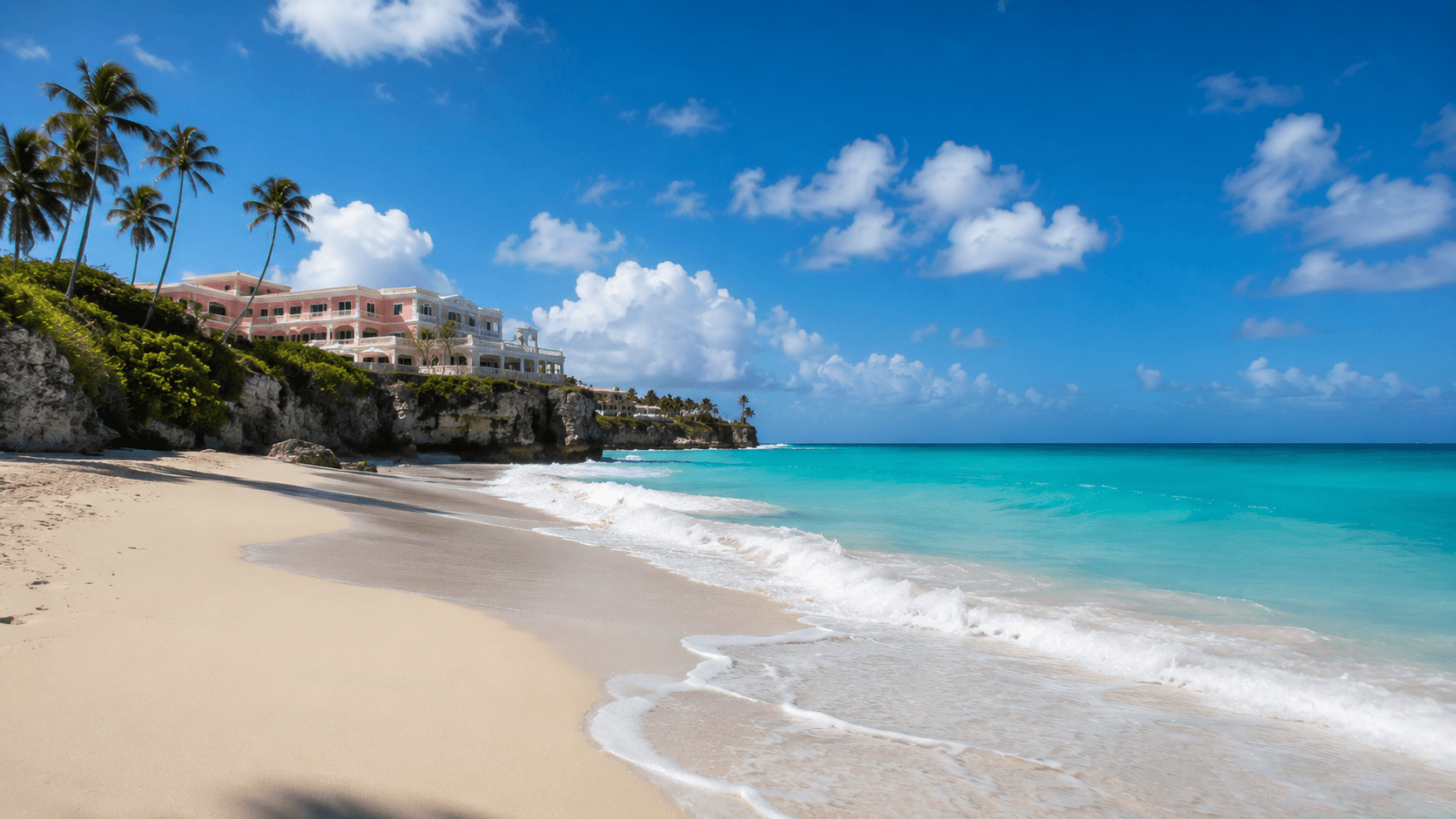
MBBS Abroad
Barbados
MBBS Abroad
Uzbekistan
MBBS Abroad
America
MBBS Abroad
Poland
MBBS Abroad
Philippines
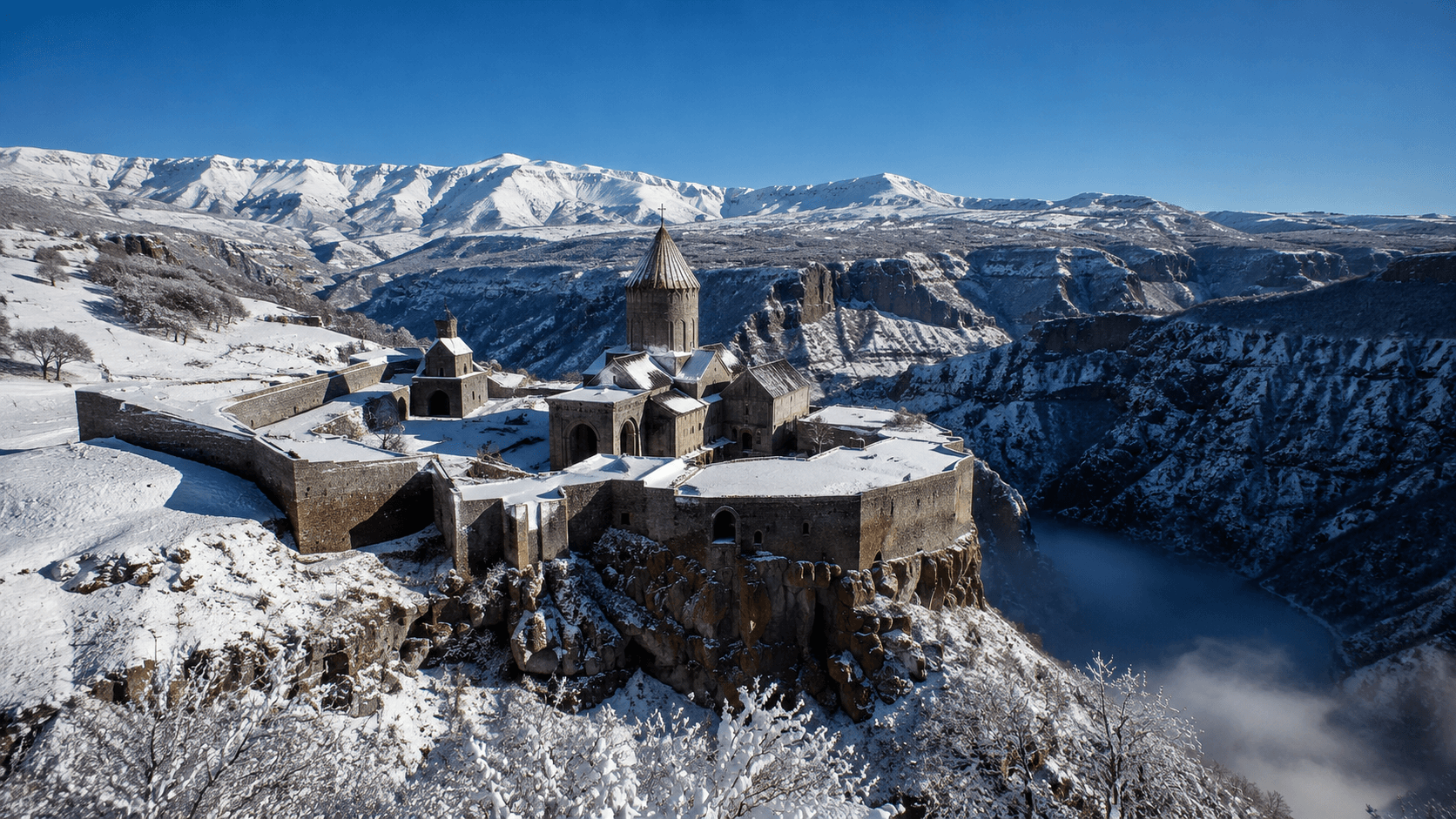
MBBS Abroad
Armenia
FAQs - MBBS in Russia 2026
Answers to the most common questions from Indian students and parents about studying MBBS in Russia.
The estimated 6-year package (tuition + hostel + medical insurance) ranges from $14,700–$44,300 (approx ₹14–43 lakh) at the WDOMS-listed universities we list outside the premium tier; premium-tier institutes (Sechenov, Pirogov and RUDN in Moscow, Pavlov in St. Petersburg, and Kazan State Medical University) range from $49,100–$124,200. Food, flights, and personal expenses are extra - budget ₹1.38L–₹2.06L per year for living costs. Contact A.J Trust for exact current fees.
Yes. NEET qualification is mandatory as per NMC guidelines. A qualifying NEET result is required for admission, and again when you apply to sit the FMGE licensing exam after graduation.
Yes, if the degree meets NMC's FMGL-2021 conditions. NMC approves no foreign university, so the checks are on your course: (1) the university is WDOMS-listed; (2) you complete at least 54 months of study plus a 12-month internship at the same university, all in English; (3) the degree licenses you to practise in Russia on the same terms as a Russian graduate. After graduating you pass the FMGE (it remains the route until NExT comes into force; no NExT date has been notified), then complete a 12-month supervised internship in India.
MBBS in Russia is a 6-year program: 5 years of academic coursework + 1 year mandatory internship at the university-affiliated hospital. FMGL-2021 requires at least 54 months of study taught in English, plus the 12-month internship at the same university; the internship does not count toward the 54 months.
FMGE pass rates vary widely by university. In NBEMS's 2024 institute-wise report, among the Russian universities we track with at least 100 candidates, rates ran from 18.4% at Stavropol State Medical University (132 of 719) to 43.4% at Orenburg State Medical University (194 of 447); Kazan State Medical University passed 134 of 436 (30.7%). Across all countries, 20,382 of 79,000 candidates passed (25.8%). RUDN's 45.5% is only 10 of 22 candidates, too few for a reliable rate. Starting FMGE preparation early, rather than after graduation, is something a student can control.
Yes. Indian banks lend for full-time courses at foreign universities, and the terms differ by bank and scheme. As one example, SBI's Global Ed-Vantage scheme lends above ₹7.50 lakh and up to ₹3.00 crore against tangible collateral, offers collateral-free loans only for institutions on its own list of select premier institutions, and starts repayment 6 months after the course ends, over up to 15 years (SBI's scheme page, checked 4 October 2026). Other banks, including Bank of Baroda and Punjab National Bank, run their own overseas education loan schemes. Confirm the current terms, and whether your Russian university qualifies, with the bank before you apply.
MBBS in Russia follows a 6-year curriculum: Years 1–2 cover Basic Sciences (Anatomy, Biochemistry, Physiology, Histology, Microbiology). Year 3 introduces Pathology and Clinical Pharmacology. Years 4–5 cover Core Clinical subjects - Internal Medicine, Surgery, Obstetrics, Paediatrics, Neurology, Psychiatry, ENT, and Ophthalmology. Year 6 is a 12-month mandatory internship with rotational clinical training at the university hospital.
A.J Trust Educational Consultancy has advised on Russia MBBS admissions since 1993. With offices in Chennai and Delhi, we provide direct admissions to WDOMS-listed Russian medical universities - with zero hidden fees, complete visa support, FMGE coaching coordination, and on-arrival student support. Whichever consultancy you use, ask it for the university's authorisation letter and for each programme's WDOMS record and FMGL-2021 details in writing.
The right university depends on your budget, city and FMGE goals. In NBEMS's 2024 institute-wise report, among the Russian universities we track with at least 100 candidates, the highest pass rates were Orenburg State Medical University (194 of 447, 43.4%), Mari State University (292 of 930, 31.4%), Perm State Medical University (295 of 944, 31.3%), Bashkir State Medical University (105 of 340, 30.9%) and Kazan State Medical University (134 of 436, 30.7%), against 20,382 of 79,000 (25.8%) across all countries. For the lowest total cost, budget-tier universities have estimated 6-year packages from $14,700. Pass rates swing between sessions and reflect a whole cohort rather than an individual, so check the latest NBEMS report and weigh cost, city and support alongside it.
No list is best for everyone, and "NMC approval" is not a status that exists: NMC says it does not endorse any list of foreign medical universities. What you can check for each university is its WDOMS listing, its FMGE record in NBEMS's institute-wise reports, and whether NMC has issued any alert about it. We track 15 Russian universities, which together had 5,699 of Russia's 11,276 FMGE candidates in NBEMS's 2024 report. Of the ten with at least 100 candidates that year, the highest pass rates were Orenburg State Medical University (194 of 447, 43.4%), Mari State University (292 of 930, 31.4%), Perm State Medical University (295 of 944, 31.3%), Bashkir State Medical University (105 of 340, 30.9%) and Kazan State Medical University (134 of 436, 30.7%). Some universities we do not track scored higher, so ask us for the NBEMS record of any university you are considering. Pass rates move between years and describe a whole cohort, not an individual, so weigh them with fees, city and support. Our FMGE pass-rate page, russianmbbs.com/resources/fmge-pass-rates, lists the record of every university we track, with denominators.
No one can honestly promise that, and we won't. Indian students continue to study at Russian medical universities, and the Indian Embassy in Moscow assists them when something goes wrong. But drone strikes have reached cities far from the border. On 17 May 2026 the Embassy said one Indian worker was killed and three others were injured in a drone attack in the Moscow region (The Tribune, 17 May 2026). On 19 August 2026 an Indian student at Bashkir State Medical University in Ufa suffered what the Embassy called minor injuries in a Ukrainian drone attack, and the Embassy said it was in contact with the student and local authorities (PTI and The Tribune, 19 August 2026). Separately, in February 2026 four Indian students were injured in a knife attack at a medical university dormitory in Ufa (All India Radio, 8 February 2026). Before you decide, read the latest advisories from the Indian Embassy in Moscow and the Ministry of External Affairs, and ask the university how it alerts and shelters students. We list the strikes we could verify, and where they happened, in our answer on whether the Russia-Ukraine war is a risk. A.J Trust has a local coordinator in Russia whom students can call in an emergency.
Yes, it is a real factor, and parents are right to ask. Ukrainian drone strikes have reached deep into Russia in 2026, and missiles have hit southern Russia near the border. Strikes we verified include: the Moscow region on 17 May, where the Indian Embassy said one Indian worker was killed and three others were injured (The Tribune); the Stavropol region on 16 May, which its governor said drones had targeted (United24); Ufa on 19 August, where an Indian student at Bashkir State Medical University was injured (PTI); the Orenburg region on 23 August, where the governor said two industrial sites were damaged and no one was hurt (The Moscow Times); the Belgorod region, Taganrog in the Rostov region and the Samara region overnight on 14–15 September (The Moscow Times); Moscow on 19–20 September, in what its mayor called an "unprecedented" attack, with 450 drones destroyed on their way to the capital (ABC News); the Perm, Voronezh, Ulyanovsk and Rostov regions overnight on 25 September (Meduza); and Volgograd overnight on 2 October, where the governor reported a "massive drone attack on industrial infrastructure", one person was injured and a residential building caught fire (Meduza). Most of the damage reported was at refineries and industrial or commercial sites, but residential buildings have also been hit. The last region-specific advisory we found from the Indian Embassy in Moscow, dated 14 August 2024, asked Indian nationals in the Bryansk, Belgorod and Kursk regions to take precautions and temporarily relocate outside them (All India Radio). We could not confirm whether it is still in force, so check the Embassy's site before choosing a university in those regions. Kursk State Medical University is in Kursk Oblast, one of the regions that advisory named, so we do not currently suggest it. Being outside those regions is what the advisory asked for, but it is not a guarantee, as the list above shows. Separately, on 30 September 2026 the Ministry of External Affairs warned Indians against joining the Russian armed forces, calling it "a dangerous path" (Business Today). No student should accept an offer of that kind, however it is presented. Before every admission, A.J Trust gives families a written city-by-city briefing. We will not tell you the risk is zero. We will tell you what has actually happened, and where.
Russian universities do not have a fixed NEET cut-off - they admit students based on Class 12 PCB marks (minimum 50% for General, 40% for SC/ST/OBC). However, NMC mandates that all Indian students must hold a valid NEET qualifying scorecard to be eligible to practice in India after graduation. Qualifying is set by percentile: the 50th percentile for General/EWS and the 40th for SC/ST/OBC. The marks that percentile works out to change every year, so check that year's NTA result rather than a figure from an earlier year. A.J Trust will shortlist the right university based on your actual NEET score.
No. A Russian student visa does not permit paid employment. Working without authorisation is a visa violation that can result in deportation and cancellation of your student status. The 6-year MBBS program is academically intense - clinical rotations, monthly assessments, language classes, and FMGE preparation leave very little time outside academics. Focus entirely on your studies; financial support should come from family or education loans.
At the end of the six-year programme you sit the Государственная итоговая аттестация (State Final Attestation, or GIA) — the state examination that completes the degree. To then practise medicine in Russia, a graduate must clear первичная аккредитация специалиста (primary specialist accreditation), the process set out in Article 69 of Federal Law No. 323-FZ. Note that you do not need a Russian practising licence in order to sit FMGE in India; what NMC requires under FMGL-2021 is that your degree entitles you to practise in the country where you studied, on the same terms as its own citizens. Universities prepare students for the state attestation through Year 6.
Payments from India for education abroad fall under RBI's Liberalised Remittance Scheme, which allows up to USD 250,000 a year. One documented route is Sberbank India's education-payment service: you pay an RBI-licensed AD-II partner in rupees by UPI, IMPS, NEFT, RTGS or online banking, and the university is paid in roubles. Sberbank India says that once the partner has completed KYC and cleared the documents, funds are typically released to the university within two working days, and that a single transaction is capped at USD 10,000. For tuition it asks for the admission letter with the university's bank details, the student's passport and PAN, and the remitter's PAN and proof of address, plus KYC and any further documents the partner requires. It charges applicable service fees and GST, plus TCS where the Income Tax Act requires it. Confirm the route and the charges with your own bank and with the university's finance office before you pay, and send fees only to the account the university itself names. If the money is coming from an account outside India, ask that bank before you use any route. A.J Trust walks every family through their university's payment instructions.
Still have questions?
Our senior counsellors are here to help - honest, personalised guidance with a reply within minutes and zero pressure.
Ready to Start Your MBBS in Russia?
Book a free session with our counsellors. We'll match you to the right WDOMS-listed university based on your NEET score, budget, and city - no pressure, no hidden fees.